Tunisian Olive Oil: The Best-Kept Secret of the Mediterranean

Tunisia is the world's third-largest olive oil exporter — yet most Americans have never tasted its extraordinary oils. Here's why that's about to change.

Tunisia's Olive Oil Heritage

Ancient olive groves in the Sfax region of Tunisia

Tunisia's relationship with the olive tree stretches back over 3,000 years. The Phoenicians, Romans, and Arabs all cultivated olives on this North African land, passing down knowledge and traditions through countless generations. Today, Tunisia is home to more than 65 million olive trees — roughly 10 trees for every person in the country.

As the world's third-largest olive oil exporter (after Spain and Italy), Tunisia produces over 300,000 tons of olive oil in peak years. Yet despite this massive output, Tunisian olive oil remains largely unknown in the American market — a gap that represents both a missed opportunity for consumers and a competitive advantage for those who discover it first.

The reason is simple: most Tunisian oil is exported in bulk to Italy and Spain, where it is blended with local oils and sold under European labels. Very little reaches the US as a branded, single-origin product. Singaris changes that.

"Tunisia doesn't just produce olive oil — it produces some of the healthiest, most flavorful EVOO on the planet. The world just hasn't noticed yet."

Why Tunisian Olives Produce Superior Oil

It comes down to terroir — the combination of climate, soil, and farming practices that give Tunisian olive oil its distinctive character and exceptional health properties.

Harsh Sun + Low Water = More Polyphenols

The Sfax region of southern Tunisia, where Singaris olives are grown, is hot and dry. Summer temperatures regularly exceed 100°F, and rainfall is scarce. This stress triggers the olive tree to produce more polyphenols — natural compounds that protect the fruit from UV damage and dehydration. The result? Oil with significantly higher polyphenol content than olives grown in milder, irrigated climates.

Unique Terroir and Soil

Tunisian soils are typically calcareous (chalky) and well-drained, with low organic matter. While this might seem like a disadvantage, it actually forces olive roots deeper and produces more concentrated, flavorful fruit. The Mediterranean sea breeze adds mineral complexity that you can taste in the finished oil.

No Industrial Over-Irrigation

Unlike some major producers who use heavy irrigation to maximize yield (which dilutes flavor and polyphenol content), many Tunisian groves rely on rainfall alone. Lower yields per tree mean more concentrated, more flavorful, more healthful oil.

Sun-drenched olive trees in Tunisia producing high-polyphenol fruit

Key Tunisian Olive Varietals

Tunisia is home to several unique olive varieties, each contributing distinct characteristics to the country's extra virgin olive oils.

🫒

Chemlali

The workhorse of Tunisian olive oil. Chemlali accounts for over 60% of Tunisia's olive trees. It produces a smooth, well-balanced oil with gentle fruitiness and a mild peppery finish. Excellent for everyday cooking and dressings.

🏆

Chetoui

The polyphenol champion. Chetoui olives, when harvested early, produce oil with exceptionally high polyphenol levels. Bold, peppery, and complex — with notes of artichoke, fresh herbs, and a distinctive throat-catching bite. This is the varietal behind Singaris Gold.

🌿

Oueslati & Others

Tunisia also grows Oueslati (aromatic, fruity), Zalmati (delicate, sweet), and Tounsi (robust, herbaceous). Each adds unique character to the country's diverse olive oil portfolio.

Tunisian vs. Italian, Spanish & Greek Olive Oil

How does Tunisian EVOO stack up against the Mediterranean's most famous olive oil origins?

Factor Tunisia Italy/Spain Greece
Avg. Polyphenol Content 300-500+ mg/kg 100-300 mg/kg 200-400 mg/kg
Price (Retail EVOO) $ $$-$$$ $$-$$$
Adulteration Risk Low (single-source tradition) Higher (blending common) Medium
US Market Presence Very Low (opportunity!) Dominant Growing
Organic Availability High (low-input farming) Medium Medium
Tunisian olive oil offers a rare combination: higher polyphenols, lower prices, and less adulteration risk than many better-known origins. For health-conscious consumers and savvy buyers, it's the Mediterranean's best value.

Singaris: Authentic Tunisian EVOO with 400+ mg/kg

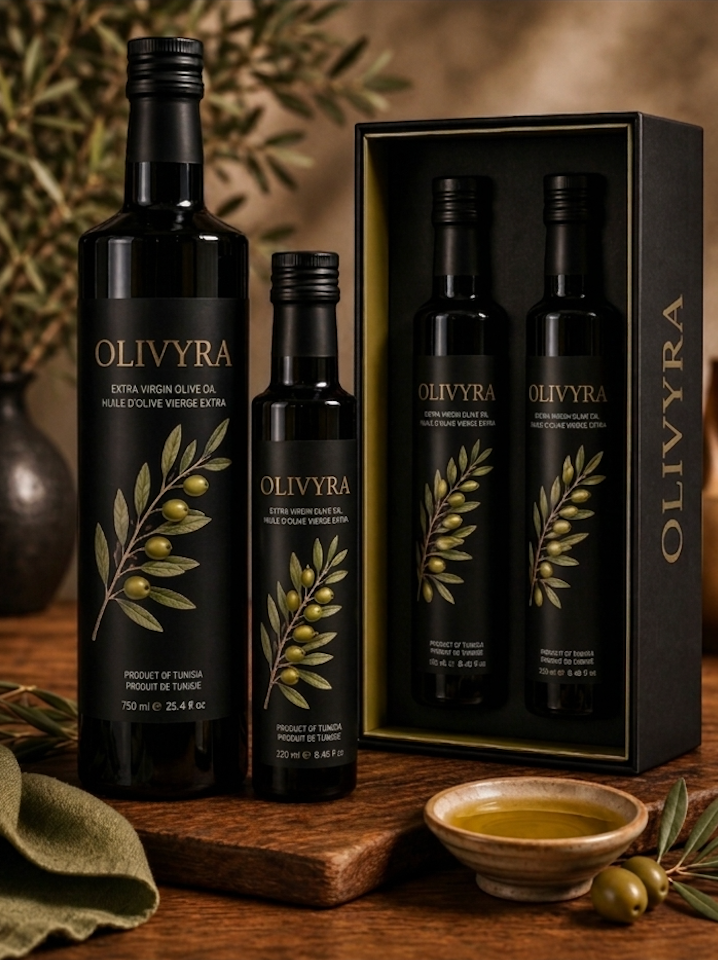
Singaris Gold Extra Virgin Olive Oil from Tunisia

Singaris is sourced from carefully selected groves in the Sfax region of Tunisia, where the Chetoui and Chemlali olive varieties thrive in the harsh, sun-drenched climate that produces naturally high polyphenol content.

Every batch of Singaris is cold-pressed within hours of harvest, bottled at the source in dark glass to protect from light, and shipped directly to the US. We publish independent lab results for every batch — verifying polyphenol content, acidity levels, and purity.

As the exclusive US distributor of Singaris, Pure Valley LLC brings you a level of transparency and quality that is virtually unmatched in the American market. When you buy Singaris, you know exactly where your oil comes from, how it was made, and what's in it.

Explore Singaris Products Learn About Polyphenols

Interested in Tunisian Olive Oil for Your Business?

We offer wholesale pricing for restaurants, retailers, and distributors. Private label options available. Request a quote or free sample today.

Wholesale Inquiries Request a Sample